

Blog
Supply Chain Management in the Fruit Industry: From Farm to Global Market
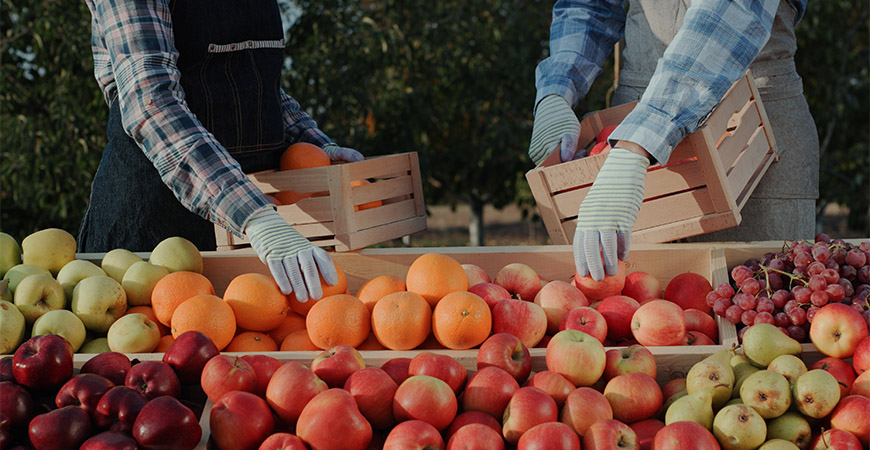
Supply chain management plays a critical role in the fruit industry, where freshness, timing, and quality directly impact profitability. Unlike non-perishable goods, fruits require careful handling at every stage — from cultivation to final delivery in international markets. A well-structured supply chain ensures minimal post-harvest losses, maintains product quality, and strengthens trust between farmers, exporters, and global buyers..
The journey begins at the farm level, where proper harvesting practices determine the fruit’s export readiness. Harvesting at the right maturity stage, pre-cooling immediately after harvest, and proper grading are essential steps. Export-focused farms often follow international standards such as Global GAP certification to meet the strict quality requirements of overseas markets. Strong partnerships between exporters and farmers help maintain consistency in supply and quality.
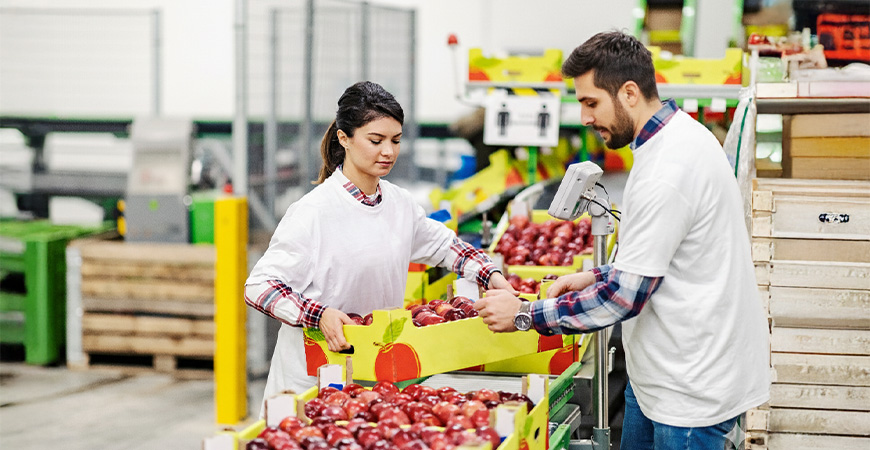
The next critical stage is post-harvest management and cold chain logistics. Sorting, grading, packaging, and storage must be done in hygienic facilities to prevent contamination and damage. Temperature-controlled cold storage and reefer transportation are vital to preserving freshness during transit. For long-distance exports, especially via sea freight, maintaining the correct temperature and humidity levels ensures fruits reach their destination without spoilage.
Finally, efficient documentation, customs clearance, and distribution networks complete the global supply chain cycle. Accurate paperwork, compliance with international food safety regulations, and real-time shipment tracking reduce delays and rejection risks. A streamlined supply chain not only improves operational efficiency but also enhances brand reputation in competitive global markets.
Key Components of Fruit Supply Chain Management
- Strategic sourcing directly from certified farmers
- Proper grading, sorting, and export-quality packaging
- Cold chain infrastructure (pre-cooling, cold storage, reefer containers)
- Compliance with international standards and documentation
- Real-time logistics tracking and timely delivery
Conclusions
Supply chain management is the backbone of the fruit industry, connecting farmers to global markets with efficiency and reliability. From proper harvesting and grading to cold storage, transportation, and international compliance, every stage plays a crucial role in maintaining freshness and quality. A well-managed supply chain not only reduces post-harvest losses but also ensures timely delivery and customer satisfaction.
Let’s Build Future Together.