

Blog
How Proper Packaging Increases Shelf Life in Fruit Export Business
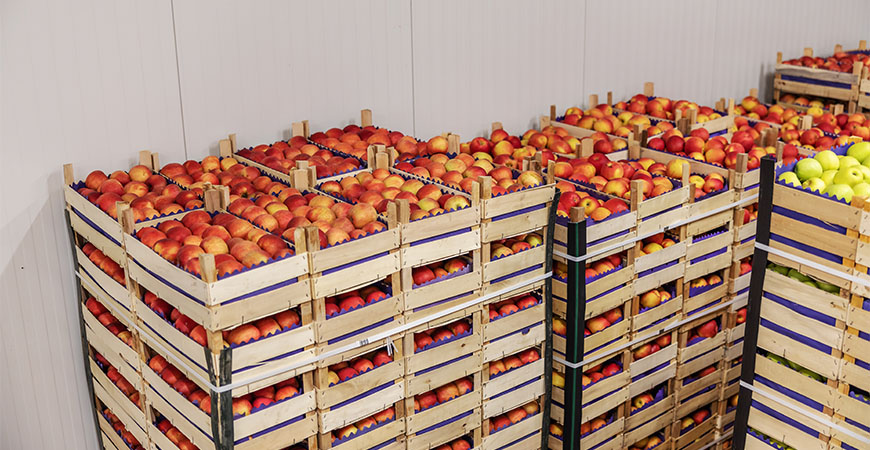
In the fruit export industry, maintaining freshness during long-distance transportation is one of the biggest challenges. Since fruits are highly perishable, even minor mishandling can lead to spoilage, rejection, and financial losses. Proper packaging plays a crucial role in preserving fruit quality, extending shelf life, and ensuring that the product reaches international markets in optimal condition. For exporters, investing in advanced packaging solutions is not an expense — it is a strategic decision that protects profitability.
Packaging acts as the first layer of protection against physical damage, moisture loss, temperature fluctuations, and microbial contamination. During export, fruits often travel thousands of kilometers via sea or air freight. Without proper ventilation, cushioning, and temperature-controlled packaging, fruits may lose firmness, develop bruises, or ripen prematurely. High-quality export packaging minimizes post-harvest losses and maintains visual appeal, which is critical for global buyers.
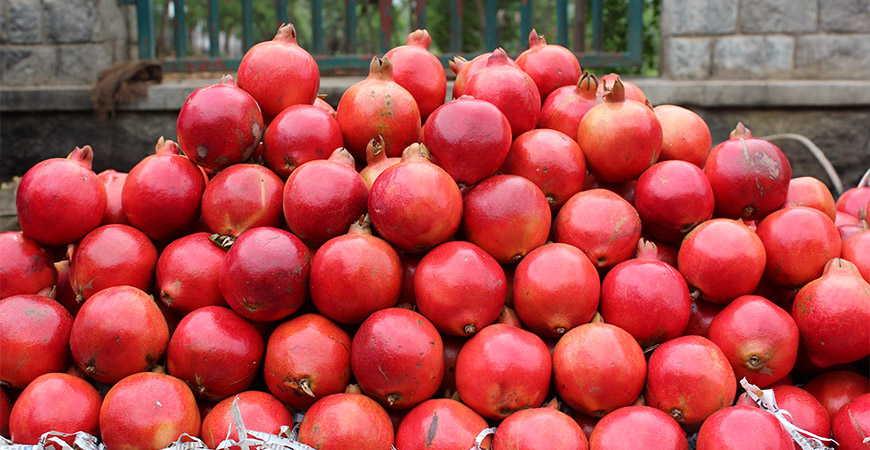
Another important factor is maintaining the cold chain throughout the supply process. Packaging designed for airflow and temperature regulation supports controlled atmosphere storage and reefer container shipping. Techniques such as modified atmosphere packaging (MAP) help regulate oxygen and carbon dioxide levels, slowing down respiration rates and delaying ripening. This significantly increases shelf life, especially for fruits like grapes, pomegranate, mangoes, and apples that are exported internationally.
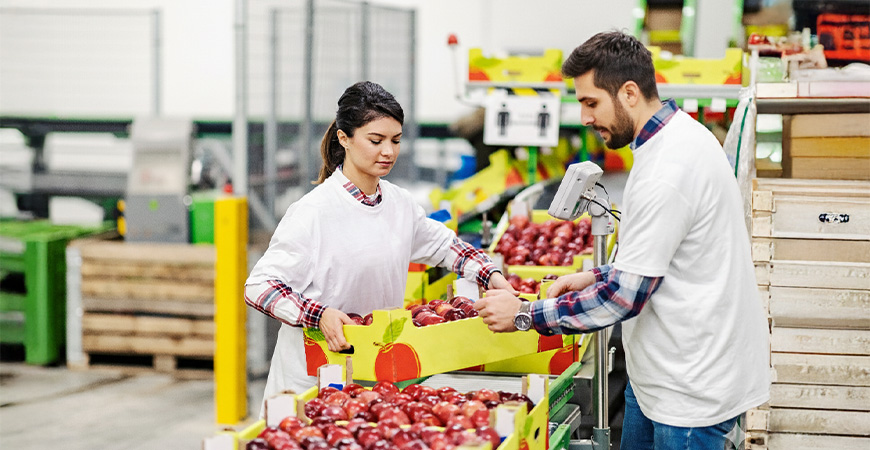
Beyond preservation, professional packaging enhances brand credibility. Well-labeled cartons with traceability information, certifications, and quality grading improve buyer confidence. International markets follow strict import standards, and poor packaging can lead to rejection at ports. Therefore, modern packaging solutions not only extend shelf life but also strengthen supply chain reliability and business reputation.
Key Ways Proper Packaging Increases Shelf Life
- Protects fruits from physical damage and bruising during transit
- Maintains moisture balance and reduces dehydration
- Supports temperature control and cold chain management
- Slows down ripening through modified atmosphere packaging
- Reduces microbial contamination and spoilage
Conclusions
In the competitive fruit export business, shelf life directly impacts profitability and customer satisfaction. Proper packaging ensures fruits maintain freshness, appearance, and nutritional value throughout the export journey. By investing in high-quality materials, temperature-controlled systems, and international packaging standards, exporters can reduce losses, prevent shipment rejection, and build long-term trust with global buyers. Ultimately, effective packaging is not just about protection — it is about delivering consistent quality across international markets.
Let’s Build Future Together.